 Domain SearchSecure your perfect UAE domain in seconds.
 Domain TransferSeamless domain transfer. Zero downtime, complete control.
 All TLDsSecure your ideal domain. Explore local UAE and international extensions.
 WHOIS LOOKUPCheck domain ownership, expiry dates, and registrar details instantly.
 AE DomainRegister a .AE domain and build trust in the UAE.
 SSL CertificatesProtect your site with trusted SSL Certificates to secure data and build customer confidence.
 .com DomainGet the world’s most trusted domain and build credibility from day one.
 Web hostingFind budget-friendly hosting that doesn’t compromise on performance.
 Windows HostingHigh-performance hosting for Windows applications and websites.
 Affiliate ProgramBecome a partner and earn commission for every referral.
 WordPress HostingBlazing-Fast WordPress Hosting, Optimised for Performance.
 Email HostingSecure your communications with professional email hosting. Use your domain, stay in control.
 Reseller HostingLaunch your own hosting brand. We handle the tech, you grow your business.
 cPanel HostingHosting supported by cPanel (simple and user-friendly)
 VPS HostingVirtual servers that grow with you. Full root access. Blazing fast performance.
 Managed VPS HostingNot a tech expert? Let us handle everything with our fully managed VPS hosting.
 Dedicated ServersEnjoy full access and total control over your dedicated physical server.
 AI Website BuilderBuild beautiful websites instantly with AI.
 Online ShopCreate a professional online store. No coding needed.
 Web Design ServicesGet a custom website built for your brand and your goals.
 BlogDiscover resources on web hosting, e-commerce, digital marketing, and beyond.
 Contact UsWe are available 24/7 via chat or email
 SupportExplore guides and answers for all our services
Ever watched your website crash during Ramadan sales? You’re not alone. In 2008, Netflix suffered a database corruption of their DVD-by-mail business hence why they now use hybrid hosting.
UAE businesses are stuck between two worlds. You need the security of traditional servers. But you also need the flexibility that only cloud computing offers.
That’s where hybrid hosting comes in. Your sensitive data stays exactly where UAE regulations require it. Your scalable workloads dance in the cloud. Both working together like they were meant to be. Think that sounds complicated? It’s actually simpler than you imagine.
What Exactly Is Hybrid Hosting?
You know what? Most people overthink this.
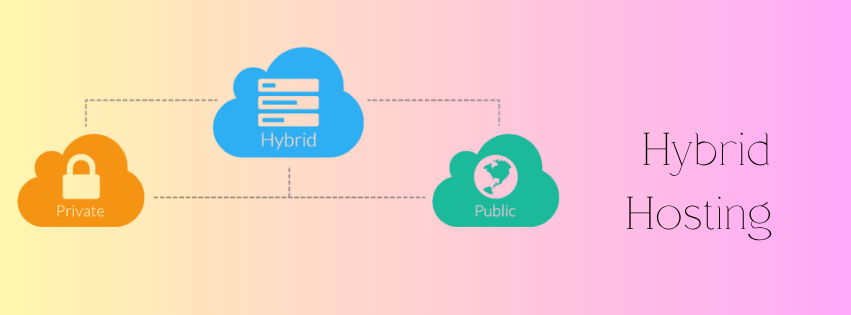
Hybrid hosting is simple. You take your on-premise servers,add cloud resources and connect them. Done.
But here’s the thing. The magic happens in how they work together.
Breaking Down Hybrid Infrastructure
Think of it like having two homes. One’s your permanent residence (on-premise). The other’s your vacation spot (cloud). You use both based on what you need.
Your sensitive data stays home. Your flexible workloads travel to the cloud. Makes sense, right?
Here’s what you’re working with:
- Private cloud infrastructure – Your own dedicated space
- Public cloud services – AWS, Azure, Google Cloud platforms
- On-premise data centers – Your physical servers
- Integration layers – The glue holding everything together
- Network connectivity – The highways between locations
The Components That Matter
Look, not all hybrid setups are created equal.
Some businesses split everything 50-50. Others keep 80% on-premise and burst to the cloud when needed. There’s no “right” way. Only what works for you.
The key? Seamless integration. If your systems can’t talk to each other, you’re just running two separate infrastructures. That’s not hybrid. That’s chaos.
Why UAE Businesses Can’t Ignore Hybrid Hosting Anymore
Let’s be honest. UAE isn’t playing around with digital transformation.

The Digital Push Nobody Saw Coming
Smart Dubai 2030 isn’t some distant dream. It’s happening now. Companies that aren’t adapting? They’re already falling behind.
The government’s putting money where its mouth is. UAE’s digital economy initiatives are pushing businesses toward cloud adoption. Fast.
But here’s the important part. They’re not saying abandon everything you’ve built.
What’s Driving This Shift?
The numbers tell a story. Cloud adoption in UAE jumped 75% in the last two years alone. That’s not gradual change. That’s a revolution.
E-commerce exploded during the pandemic. It never went back down. Financial services went digital overnight. Healthcare systems had to adapt or fail.
Every sector felt the pressure. Every sector responded with hybrid hosting.
The Local Challenge
Here’s where it gets interesting. UAE businesses face a unique situation.
Data residency laws require certain information to stay within borders. UAE’s data protection regulations aren’t suggestions. They’re requirements.
You can’t just move everything to the cloud since control is needed. You need flexibility hence hybrid hosting.
Ramadan brings traffic spikes nobody can predict. Dubai Shopping Festival crashes servers annually. Without cloud resources to handle these peaks, you’re leaving money on the table.
The Real Benefits
Everyone talks about benefits. Few understand them.
1) Flexibility That Actually Matters
Remember those traffic spikes? Hybrid hosting handles them without breaking a sweat.
Your baseline runs on-premise. Predictable. Controlled.
Then comes the unexpected surge. Your system automatically scales to the cloud. Handles the load. Scales back down when it’s over.
You paid for what you used. Nothing more. Nothing less.
2) Cost Optimization That Makes Sense
Pure cloud sounds cheap until you see the bill. Pure on-premise means huge upfront costs.
Hybrid? You get the best of both.
Keep your existing infrastructure. You already paid for it. Add cloud resources when you need them. Simple math.
Here’s a quick comparison:
| On-Premise Only | Very High | Limited | Complete | Fixed |
| Cloud Only | Low | Unlimited | Limited | Variable |
| Hybrid Hosting | Medium | High | Balanced | Optimized |
3) Security You Can Actually Trust
Banking data belongs on-premise. Period.
Customer records? Same thing. Financial transactions? Not negotiable.
But your marketing website? That can live in the cloud. Your development environment? Cloud’s perfect for it.
Hybrid hosting lets you put things where they belong. Not where someone else decided they should go.
Need help determining what goes where? TrueHost.cloud’s UAE-based experts can audit your infrastructure and create a customized hybrid strategy.
Different Flavors of Hybrid Hosting
Not all hybrid models work the same way. Let’s break them down.
Cloud Bursting (The Surge Protector)
Your workload runs on-premise normally. Everything’s fine. Everything’s smooth.
Then Black Friday hits. Or Ramadan starts. Or your marketing campaign goes viral.
Traffic explodes. Your on-premise servers would normally choke. But hybrid hosting kicks in. Workloads burst to the cloud automatically.
Crisis averted. Money made. Customers happy.
Split Workload Model (The Specialist)
Some apps need on-premise power. Others thrive in the cloud.
Your ERP system? Keep it close. You need that control. Your CRM? Cloud’s perfect. Updates happen automatically. Access from anywhere.
Email servers, file storage, backup systems. Each finds its ideal home.
Development vs. Production Split
Here’s a clever approach. Developers work in the cloud. Testing happens there too.
Fast. Flexible. Easy to spin up new environments. Easy to tear them down.
Production? That stays on-premise where you can watch it. Where regulations require it. Where your peace of mind lives.
Multi-Cloud Hybrid (The Risk Manager)
Vendor lock-in terrifies smart businesses. Rightfully so.
Use. Truehost for databases and computing. Google Cloud for AI tools. Keep critical stuff on-premise.
Nobody owns you. Nobody controls your destiny. You pick the best tool for each job.
Getting Started With Hybrid Hosting in UAE
Theory’s great. Implementation’s where most companies stumble.
1) Know What You Have
You can’t plan a trip without knowing where you’re starting from. Same with hybrid hosting.
Audit everything. Every application, workload and data store.
Which apps are cloud-ready? Which need to stay put? What’s your actual monthly hosting cost right now?
Most companies discover they’re spending way more than they thought. Knowledge is power. And savings.
2) Build Your Strategy
Don’t just copy what others are doing. Your business is unique.
Define your goals clearly:
- Reduce costs by X%?
- Improve performance by Y%?
- Meet compliance requirements?
- Prepare for growth?
Choose your cloud provider carefully. AWS Middle East has data centers in UAE. So does Azure. Location matters for latency and compliance.
3)Plan the Migration
Start small. Test thoroughly. Scale gradually.
Pick your least critical workload first. Move it. Monitor it. Learn from it.
Then tackle bigger challenges. Your mission-critical systems come last. After you’ve learned the ropes.
Set realistic timelines. Most migrations take 6-12 months done right. Rushed migrations create disasters.
4) Connect Everything
Security matters here. A lot.
VPN connections work for small setups. Direct Connect or ExpressRoute for enterprise needs. Your data travels encrypted. Always.
Management tools need to see everything. One dashboard. One view. Complete control.
5) Optimize and Maintain
Migration isn’t the end. It’s the beginning.
Monitor costs daily. Cloud bills surprise people who don’t watch them. Set alerts. Cap spending. Review monthly.
Performance needs constant attention. What worked yesterday might not work tomorrow. Traffic patterns change. User behavior evolves.
Security audits aren’t optional. Run them quarterly minimum. Threats don’t take vacations.
The Challenges Nobody Warns You About
Hybrid hosting isn’t perfect. Nothing is.
Complexity Gets Real
Managing one environment is straightforward. Managing two (or more) gets complicated fast.
Different tools, interfaces and security models. Your IT team needs new skills. Training takes time and money.
But here’s the thing. Complexity decreases as experience grows. Month three is easier than month one. Month six is easier than month three.
The Skills Gap Hurts
Finding people who understand both on-premise and cloud? Tough. Finding them in UAE? Tougher.
You’ve got three options:
- Train your existing team
- Hire new expertise
- Partner with managed service providers
Most successful companies do all three. Gradually.
Integration Isn’t Automatic
Legacy systems weren’t built for cloud integration. They just weren’t.
Custom connectors take time to develop. APIs might not exist. Workarounds become necessary.
Budget extra time and money for integration. Always. Projects run over here more than anywhere else.
Choosing Your Hybrid Hosting Partner in UAE
Not all providers understand the UAE market. Many don’t even try.
What Actually Matters
Local data centers aren’t negotiable. Latency to your users matters. Compliance with UAE regulations matters more.
Look for ISO 27001 certification minimum. PCI DSS if you handle payments. SOC 2 if you’re serious about security.
Support in Arabic and English? Non-negotiable. Your team speaks both. Your provider should too.
Questions You Must Ask
Where exactly are your data centers? Naming cities isn’t enough. You need addresses. You need to know if data actually stays in UAE when regulations require it.
What’s your actual uptime? Not the SLA promise. The real numbers. Last year, quarter or month.
How do you handle migrations? Who does the work? What’s included? What costs extra?
Confused about choosing the right provider? TrueHost Cloud offers transparent pricing and proven expertise in UAE hybrid deployments.
Where Hybrid Hosting Is Headed
The future’s already arriving. Faster than most realize.
Edge Computing Changes Everything
5G rolled out across UAE. Edge computing follows naturally. Processing moves closer to users. Latency drops to nearly nothing.
Hybrid hosting evolves to include edge nodes. Your infrastructure becomes truly distributed. Performance improves dramatically.
IoT devices multiply daily. Smart cities need smart infrastructure. Edge computing within hybrid models becomes standard, not optional.
AI Makes Decisions
Workload optimization used to require human judgment. Not anymore.
AI analyzes patterns. Predicts demand. Moves workloads automatically. Optimizes costs without human intervention.
Your hybrid system gets smarter over time. Learning. Adapting. Improving.
Read Also: