 Domain SearchSecure your perfect UAE domain in seconds.
 Domain TransferSeamless domain transfer. Zero downtime, complete control.
 All TLDsSecure your ideal domain. Explore local UAE and international extensions.
 WHOIS LOOKUPCheck domain ownership, expiry dates, and registrar details instantly.
 AE DomainRegister a .AE domain and build trust in the UAE.
 SSL CertificatesProtect your site with trusted SSL Certificates to secure data and build customer confidence.
 .com DomainGet the world’s most trusted domain and build credibility from day one.
 Web hostingFind budget-friendly hosting that doesn’t compromise on performance.
 Windows HostingHigh-performance hosting for Windows applications and websites.
 Affiliate ProgramBecome a partner and earn commission for every referral.
 WordPress HostingBlazing-Fast WordPress Hosting, Optimised for Performance.
 Email HostingSecure your communications with professional email hosting. Use your domain, stay in control.
 Reseller HostingLaunch your own hosting brand. We handle the tech, you grow your business.
 cPanel HostingHosting supported by cPanel (simple and user-friendly)
 VPS HostingVirtual servers that grow with you. Full root access. Blazing fast performance.
 Managed VPS HostingNot a tech expert? Let us handle everything with our fully managed VPS hosting.
 Dedicated ServersEnjoy full access and total control over your dedicated physical server.
 AI Website BuilderBuild beautiful websites instantly with AI.
 Online ShopCreate a professional online store. No coding needed.
 Web Design ServicesGet a custom website built for your brand and your goals.
 BlogDiscover resources on web hosting, e-commerce, digital marketing, and beyond.
 Contact UsWe are available 24/7 via chat or email
 SupportExplore guides and answers for all our services
At some point, your online store goes from being a side project to a growing business.
At this point, you will need to start considering migrating from shared hosting to VPS hosting for UAE e-commerce stores.
The main reason why a virtual private server is necessary is that it gives you a guaranteed slice of the server’s RAM, CPU cores, and storage.
Let’s look at everything you need to know about VPS hosting for e-commerce stores in the UAE.

Why UAE Online Stores Outgrow Shared Hosting Faster Than You Think
The UAE e-commerce market sits at $12.28 billion in 2026. It is projected to reach $21.18 billion by 2030.
That represents an 11.52% compound annual growth rate. Growth like this means more orders, more traffic, and more server pressure every single month.
Smartphone penetration in the UAE reached 97.6% by 2023. That is one of the highest rates anywhere in the world.
Most of your shoppers are on mobile. They are impatient. A slow-loading website is all it takes to lose them.
Payment behavior adds complexity to your hosting needs as well. Roughly 40% of online transactions in the UAE still use cash on delivery.
That means your server handles real-time inventory checks, order confirmation flows, and delivery option logic simultaneously. Shared hosting was never built for that kind of workload.
What Happens to Your Conversion Rate When the Server Slows Down
A single second of page load delay reduces conversions by roughly 7%. In the UAE, where average order values tend to be high, that percentage hurts fast. The math is unforgiving.
Shared hosting puts hundreds of websites on the same server. They all compete for the same CPU pool.
When your neighbor’s store gets a traffic spike, your checkout page slows down too.
Sysadmins call this the noisy neighbor problem. You did nothing wrong. Your server just had no mechanism to protect you.
The solution is not hoping your neighbors stay quiet. It is moving to infrastructure where you control your own resources entirely.
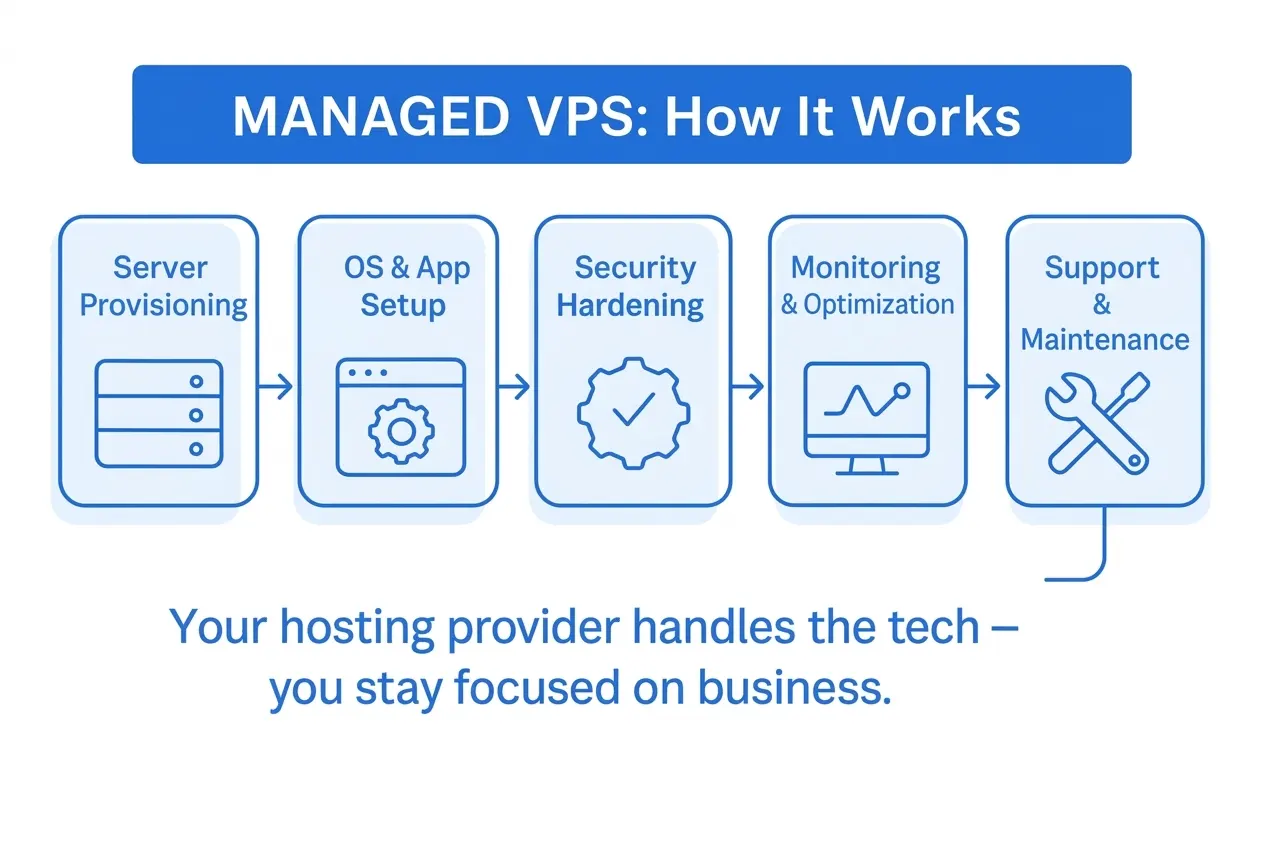
What a UAE-Based VPS Actually Gives Your E-commerce Store
1) Dedicated Resources vs. Shared Resources
A VPS gives you a guaranteed slice of the server’s RAM, CPU cores, and storage. No sharing. No competition with other websites on the same machine.
Most UAE VPS providers now offer NVMe SSD storage. NVMe drives deliver significantly faster read and write speeds than traditional SSDs.
For stores with large product catalogs, that speed difference shows up directly in page load times.
2) VPS Isolation and How it Protects Your Payment Data
VPS hosting places your environment in an isolated container. Even if another VPS on the same physical server gets compromised, your store stays sandboxed.
Shared hosting offers no such protection. A vulnerability on any neighboring site can potentially reach yours.
DDoS protection comes standard with most reputable UAE VPS providers.
The protection matters most during flash sales and promotional events, when attack attempts tend to spike alongside legitimate traffic.
3) Scalability: A Server That Grows With Your Store
Vertical scaling means adding RAM or CPU to your existing VPS. Horizontal scaling means adding more servers behind a load balancer.
Most early-stage stores need vertical scaling first. Enterprises running multiple storefronts eventually need horizontal.
4) Ability to Optimize for Specific E-commerce Platforms
With a VPS plan, you get the freedom to customize the software stack to meet the best requirements for the e-commerce platform you want to use.
The best-performing WooCommerce stack on a UAE VPS follows a consistent formula. Use Ubuntu 22.04 with Nginx, PHP 8.2, MariaDB 10.6, and Redis object caching.
Custom Arabic font stacks add load time that Latin-character sites do not face. Server-side caching via Redis or Memcached becomes non-negotiable in that context.
Without it, every Arabic product page rebuild hits the database directly.
Magento 2 is resource-hungry. Accept that upfront. For a production environment, you need at least 4 vCPU and 8GB RAM on an NVMe SSD.
Less than that, and performance problems appear during catalog browsing and checkout under load.
Enable Varnish Cache for full-page caching. A properly configured Varnish layer can reduce server load by up to 80% on high-traffic product pages.
For stores with more than 5,000 SKUs, add Elasticsearch for product search. Without it, search queries become a bottleneck.
This hits hardest during promotional events when customers rely heavily on search to find specific discounted items fast.
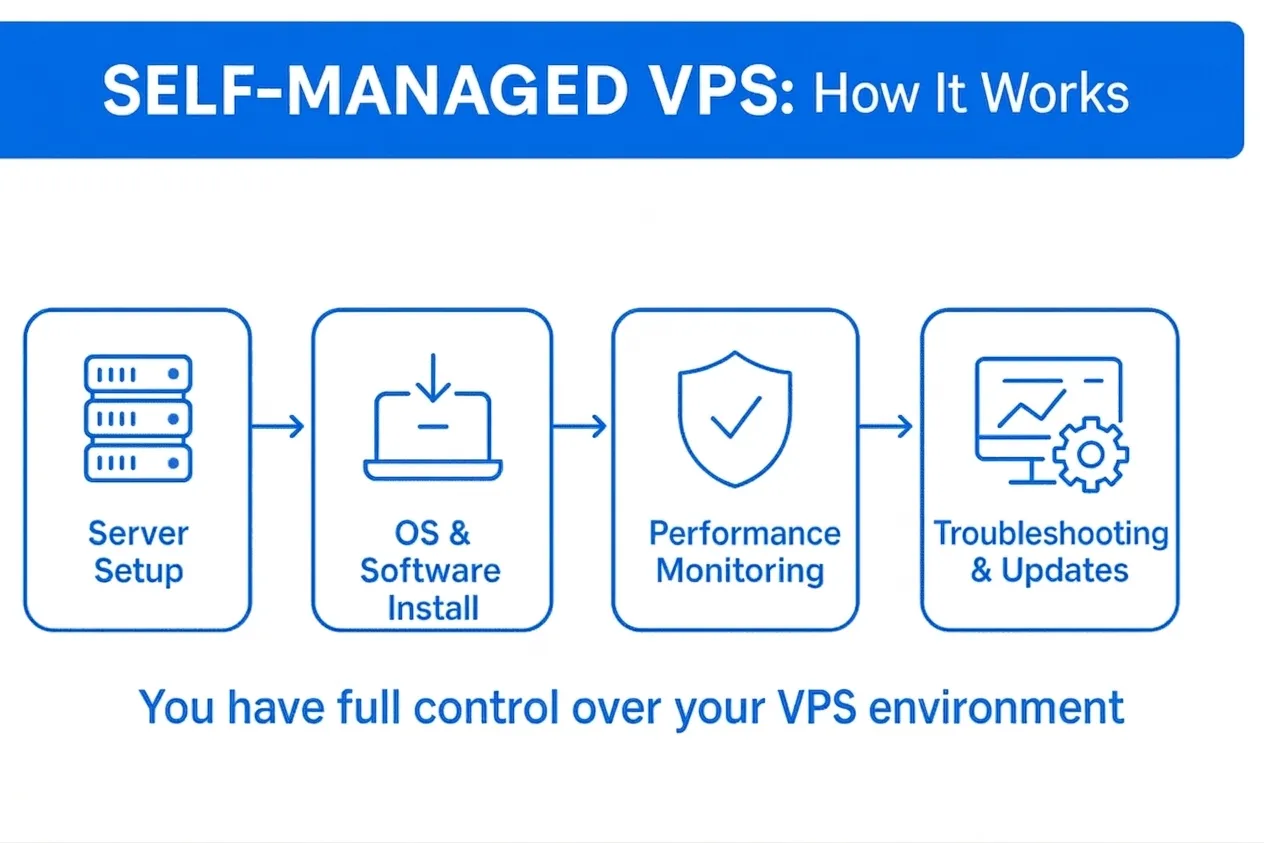
UAE E-commerce Security Requirements Your VPS Must Handle
I) Data Residency and UAE Compliance Basics
The UAE Personal Data Protection Law (Federal Decree Law No. 45 of 2021) sets specific requirements for where customer data is stored and processed.
A locally hosted UAE VPS helps meet those residency obligations. A European or US-based server does not.
Free zone businesses operating under DIFC or ADGM jurisdictions face additional data protection frameworks beyond the national PDPL.
These may require separate compliance steps specific to each free zone’s regulatory body.
On payment security, the guidance is clear. Most UAE stores should offload payment processing to a PCI-DSS certified gateway.
Telr, PayTabs, and Checkout.com are all established options in the UAE market. Keep payment card data off your server entirely.
II) SSL, Firewalls, and DDoS Protection
Free SSL via Let’s Encrypt is a starting point, not a finish line. Make sure your VPS control panel automates certificate renewal. cPanel and Plesk both handle this natively.
An expired SSL certificate pushes customers away and simultaneously kills search rankings.
Set up firewall rules that block brute-force attempts on your admin login paths.
Common targets include the wp-admin for WordPress stores and the default Magento admin panel URL.
Both UFW and iptables provide clear, effective rule sets for blocking these patterns.
DDoS protection comes as a standard add-on on most VPS hosting plans.
III) Full Root Access
A VPS grants you full root access to the virtual server, meaning you get total control over what gets installed in the environment.
This gives you the freedom to choose your desired software stack. Want Ubuntu with Nginx? Windows Server with IIS? Your call. You’re not locked into whatever the host decides to install.
With root access, a single VPS can run multiple projects at once. This makes it much more cost-effective than buying separate hosting for each one.
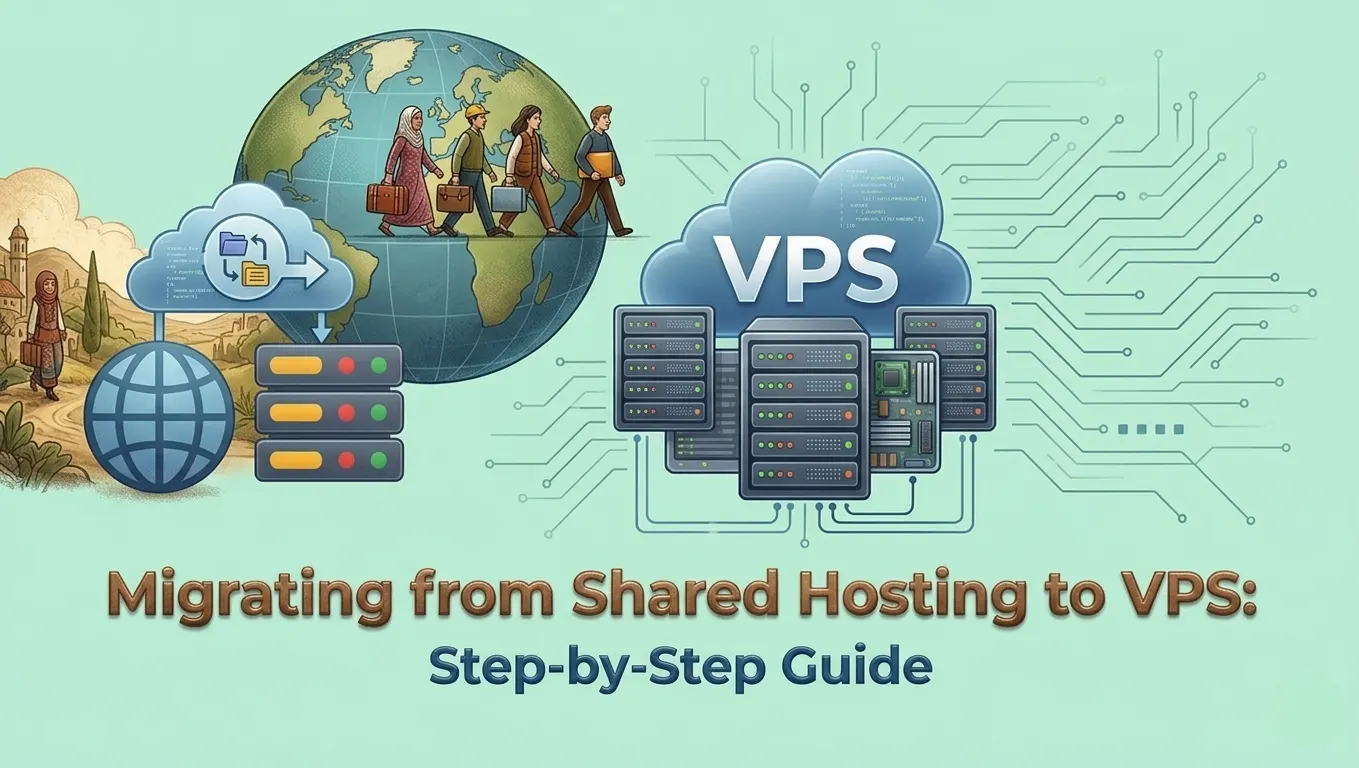
Migrating Your UAE E-commerce Store to a VPS
1) Pre-Migration Checklist
Before you touch anything, document your current environment fully.
Write down your PHP version, database size, active plugins or extensions, average monthly traffic, and peak concurrent user numbers.
You need that data to configure your new server correctly from day one.
Choose your migration window carefully. Between 2 AM and 4 AM Gulf Standard Time on a Tuesday or Wednesday is typically the lowest-traffic period for most UAE stores.
Avoid weekends and the days leading up to any promotional event.
Take a full backup of your existing hosting environment before starting. That snapshot is your rollback option if anything goes sideways during the move.
2) VPS Provisioning
Provision your new VPS and configure the full stack before touching DNS. Copy all files and the database to the new server.
Run a complete functional test using a modified hosts file on your local machine. This lets you browse the new server as if it were live, without pointing actual traffic to it.
3) DNS Configuration
Fix any issues you find before the switch. When you are confident the new environment works, reduce your DNS TTL to 300 seconds at least 24 hours before the planned cutover.
Then flip the A record. With a low TTL already in place, most users experience zero noticeable disruption.
Common VPS Mistakes UAE Store Owners Make
Buying More Server Than You Need Right Now
Overprovisioning wastes money every single month. A store processing 50 orders per day does not need an 8-core VPS with 32GB RAM.
Start by mapping your resource needs to your actual traffic data, not imagined worst-case scenarios.
Most reputable UAE VPS providers allow vertical scaling on demand. You can start lean and upgrade when your analytics justify the cost.
Let real order volume and server load data drive that decision, not anxiety about hypothetical traffic spikes.
Ignoring Automated Backups Until It Is Too Late
A VPS shifts backup responsibility to you. Provider-level snapshots exist, but they are not a substitute for your own backup policy.
Run daily automated database backups to an off-server location. AWS S3 and Backblaze B2 both work reliably for this purpose.
Schedule weekly full-site snapshots as a second layer of protection. For WordPress stores, UpdraftPlus handles this cleanly.
When dealing with Magento, a scheduled cron job pointing to remote storage does the job.
Treating the VPS as Set-It-and-Forget-It Infrastructure
An unpatched server is the most common starting point for e-commerce store compromises. Set up automated OS security updates from day one. Do not wait until a vulnerability gets published before you act.
Monitor server health using a lightweight tool. Netdata provides real-time server metrics at no cost.
UptimeRobot sends alerts the moment your site goes offline. You want to know your server is under strain before your customers do.
Review your VPS specs against your store’s growth metrics every six months.
Track daily orders, monthly pageviews, and database query response times. Those three numbers tell you when it is time to scale up.
Conclusion
Shared hosting will serve you well as you are starting your business. However, traffic grows, and the orders come in faster.
Suddenly, shared hosting starts showing its limits. Pages slow down during busy periods. Checkout gets unreliable right when you can least afford it.
Moving to VPS hosting puts that problem behind you for good.
Truehost VPS packages give UAE store owners dedicated resources, 99.9% uptime, and high-speed SSD storage.
Your store stays fast, stays online, and stays competitive.