 Domain SearchSecure your perfect UAE domain in seconds.
 Domain TransferSeamless domain transfer. Zero downtime, complete control.
 All TLDsSecure your ideal domain. Explore local UAE and international extensions.
 WHOIS LOOKUPCheck domain ownership, expiry dates, and registrar details instantly.
 AE DomainRegister a .AE domain and build trust in the UAE.
 SSL CertificatesProtect your site with trusted SSL Certificates to secure data and build customer confidence.
 .com DomainGet the world’s most trusted domain and build credibility from day one.
 Web hostingFind budget-friendly hosting that doesn’t compromise on performance.
 Windows HostingHigh-performance hosting for Windows applications and websites.
 Affiliate ProgramBecome a partner and earn commission for every referral.
 WordPress HostingBlazing-Fast WordPress Hosting, Optimised for Performance.
 Email HostingSecure your communications with professional email hosting. Use your domain, stay in control.
 Reseller HostingLaunch your own hosting brand. We handle the tech, you grow your business.
 cPanel HostingHosting supported by cPanel (simple and user-friendly)
 VPS HostingVirtual servers that grow with you. Full root access. Blazing fast performance.
 Managed VPS HostingNot a tech expert? Let us handle everything with our fully managed VPS hosting.
 Dedicated ServersEnjoy full access and total control over your dedicated physical server.
 AI Website BuilderBuild beautiful websites instantly with AI.
 Online ShopCreate a professional online store. No coding needed.
 Web Design ServicesGet a custom website built for your brand and your goals.
 BlogDiscover resources on web hosting, e-commerce, digital marketing, and beyond.
 Contact UsWe are available 24/7 via chat or email
 SupportExplore guides and answers for all our services
Domain security has become the frontline defense against sophisticated cyber attacks targeting businesses worldwide. You know what? The statistics are honestly alarming.
Every month, brands face an average of 40 lookalike domains designed to deceive customers. That’s more than one fake domain per day trying to steal your identity.
The global cybersecurity landscape has shifted dramatically. Attackers aren’t just targeting big corporations anymore—they’re going after everyone.
The Current State of Global Domain-Based Cyber Threats
Here’s the thing: domain attacks have exploded in recent years. The numbers don’t lie.
88% of organizations experienced DNS attacks in 2023. Each successful attack costs businesses an average of $942,000. That’s nearly a million dollars per incident.
Rising Statistics Paint a Grim Picture
Q1 2024 alone witnessed 1.5 million DNS DDoS attacks globally. Let me put that in perspective, that’s over 16,000 attacks per day.
AI-powered threats are making things worse. Cybercriminals now use machine learning to create more convincing phishing campaigns.
Nation-state actors have added AI to their arsenal. They’re targeting critical infrastructure across continents.
Common Domain Attack Vectors Explained
Domain spoofing tops the list of attack methods. Criminals register domains that look almost identical to legitimate ones.
Think “arnazon.com” instead of “amazon.com”, subtle but effective. These typosquatting attacks catch unsuspecting users daily.
DNS cache poisoning redirects legitimate traffic to malicious servers. Your customers think they’re visiting your site, but they’re not.
Subdomain hijacking exploits forgotten or misconfigured subdomains. Attackers take control of parts of your domain infrastructure.
| Attack Type | Global Impact | Average Cost |
|---|---|---|
| Domain Spoofing | 65% of phishing attacks | $1.2M annually |
| DNS Poisoning | 23% of data breaches | $850K per incident |
| Subdomain Hijacking | 12% of domain attacks | $340K per case |
Man-in-the-middle attacks intercept communications between users and servers. Your sensitive data gets stolen without you knowing.
Understanding Domain Security Fundamentals
Domain security protects your digital identity and online reputation. It’s like having a bouncer at your website’s front door.
Your domain is more than just a web address. It’s your brand’s digital fingerprint in the global marketplace.
What Domain Security Really Means
Domain security encompasses DNS protection, certificate management, and email authentication. These three pillars work together seamlessly.
DNS security prevents unauthorized changes to your domain records. SSL certificates encrypt data flowing between servers and users.
Email authentication stops criminals from sending emails using your domain name. Without these protections, you’re vulnerable.
The Business Impact Hits Hard
Weak domain security damages more than just your website. It destroys customer trust globally.
Financial losses from data breaches average $4.45 million worldwide. That’s according to IBM’s Cost of a Data Breach Report.
Reputation damage lasts years after an attack. Customers remember security failures long after they happen.
Regulatory compliance becomes a nightmare without proper domain security. GDPR fines alone can reach 4% of annual revenue.
Need expert guidance on domain security implementation? TrueHost provides 24/7 support and managed security services for global businesses.
Essential Domain Security Technologies for Global Protection
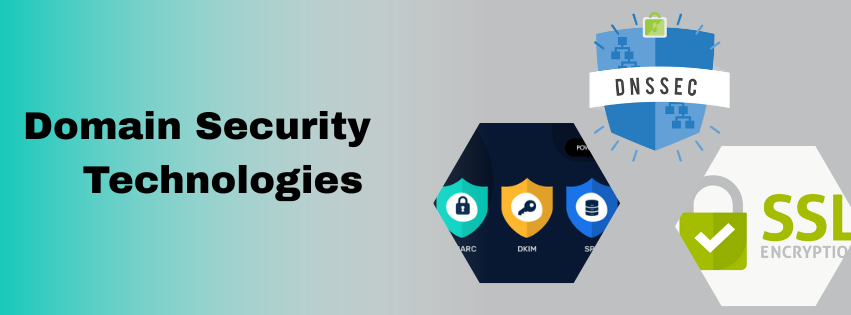
Modern domain security requires multiple layers of protection. Think of it as a digital fortress with several walls.
1. DNS Security Extensions (DNSSEC) Implementation
DNSSEC prevents DNS spoofing through cryptographic signatures. Every DNS response gets verified for authenticity.
Implementation requires careful planning and testing. You can’t just flip a switch and expect it to work.
Here’s what DNSSEC deployment looks like:
- Zone signing: Your DNS records get digital signatures
- Key management: Regular key rotation maintains security
- Validation: Recursive resolvers verify signatures automatically
- Monitoring: Continuous checking ensures everything works properly
Benefits include protection against cache poisoning and domain hijacking. Limitations involve increased DNS response sizes and complexity.
Industry adoption has accelerated since 2023. Major registrars now offer DNSSEC as a standard feature.
2. SSL/TLS Certificates: Your Digital ID Card
SSL certificates authenticate your domain identity to visitors worldwide. They create encrypted tunnels for data transmission.
Certificate validation happens through three main types:
Domain Validation (DV) certificates verify domain ownership only. They’re quick to obtain but offer basic trust indicators.
Organization Validation (OV) certificates include business verification. They display your company name in certificate details.
Extended Validation (EV) certificates provide the highest trust level. Browsers show your company name in the address bar.
Implementation guidelines vary by certificate type. Choose based on your security needs and budget.
3. DMARC, SPF, and DKIM: Email’s Triple Shield
Email authentication protects your domain from spoofing attacks globally. These protocols work together like a three-layer security system.
SPF (Sender Policy Framework) specifies which servers can send emails for your domain. It’s like having a guest list for email servers.
DKIM (DomainKeys Identified Mail) adds digital signatures to your emails. Recipients can verify emails actually came from you.
DMARC (Domain-based Message Authentication) coordinates SPF and DKIM policies. It tells receiving servers what to do with failed emails.
DMARC setup services have become incredibly popular in 2024. More businesses realize email security isn’t optional anymore.
Configuration requires technical expertise and ongoing maintenance. Monitoring reports help you understand authentication failures.
Advanced Domain Protection Strategies for Global Businesses
Basic security won’t cut it anymore. You need advanced strategies to stay ahead of evolving threats.
Domain Monitoring and Threat Intelligence
Real-time domain surveillance catches threats before they cause damage. Automated systems scan for lookalike domains continuously.
Threat intelligence feeds provide early warnings about emerging attacks. You’ll know about threats targeting your industry first.
Brand protection services monitor social media, app stores, and domain registrations. They find unauthorized use of your brand quickly.
Here’s what modern monitoring includes:
-
Typosquatting detection across all TLDs
-
Social media impersonation alerts
-
Mobile app clone identification
-
Dark web monitoring for stolen credentials
-
Certificate transparency log analysis
Automated response systems can take immediate action. Some services automatically request takedowns of malicious domains.
Multi-Factor Authentication for Domain Management
Securing domain registrar accounts prevents unauthorized changes. Think of it as adding deadbolts to your digital doors.
Registry lock services provide an extra security layer. Changes require manual verification from the registry operator.
Two-factor authentication should be mandatory for all domain administrators. SMS isn’t secure enough—use app-based authentication instead.
Access control policies limit who can make domain changes. Regular audits ensure only authorized personnel have access.
Regular Security Audits Keep You Safe
Domain security health checks identify vulnerabilities before attackers do. Schedule quarterly assessments at minimum.
Vulnerability scanning reveals misconfigurations and outdated software. Automated tools can check thousands of settings quickly.
Penetration testing simulates real-world attacks against your domain infrastructure. Ethical hackers find weaknesses you missed.
According to the Cybersecurity and Infrastructure Security Agency, regular testing reduces successful attacks by 60%.
Compliance verification ensures you meet industry standards globally. Documentation helps during audits and investigations.
Emerging Threats and Future-Proofing Your Global Domain Security
The threat landscape evolves faster than most businesses can adapt. Staying ahead requires understanding what’s coming next.
AI-Powered Domain Attacks Are Here
Machine learning helps attackers create more convincing phishing campaigns. They analyze writing styles and company communications.
Deepfake technology can now impersonate domain owners in video calls. Verification procedures need updating to address this threat.
Sophisticated phishing campaigns bypass traditional security filters. They adapt to defensive measures in real-time.
Defense strategies must incorporate AI detection tools. Fight fire with fire—use AI to detect AI-powered attacks.
Cloud Infrastructure Creates New Challenges
Multi-cloud domain management complicates security oversight. Each cloud provider has different security models and tools.
Hybrid DNS security requires coordination between on-premises and cloud systems. Gaps in coverage create vulnerability windows.
Container environments and microservices fragment domain responsibilities. Traditional security models don’t work effectively here.
Looking for cloud-native domain security solutions? TrueHost.cloud specializes in multi-cloud domain protection with seamless integration across platforms.
Implementation Roadmap for Global Domain Security Success
Planning prevents poor performance when it comes to domain security. Here’s your step-by-step guide.
Assessment and Planning Phase
Current security posture evaluation reveals your starting point. Don’t skip this crucial step.
Risk assessment methodologies help prioritize security investments. Focus on the highest-impact vulnerabilities first.
Budget allocation should include both technology and training costs. People are often the weakest link in security chains.
Timeline development needs realistic milestones and contingency plans. Security implementations rarely go perfectly smooth.
Deployment and Configuration Steps
Step-by-step implementation reduces errors and downtime. Document everything for future reference.
Testing and validation procedures ensure your security actually works. Don’t assume anything—verify everything.
Staff training requirements include both technical and awareness components. Your team needs to understand new procedures.
According to NIST guidelines, documentation and compliance tracking prevent future problems.
Ongoing Maintenance and Optimization
Regular updates and patches keep security current. Outdated systems are sitting ducks for attackers.
Performance monitoring ensures security doesn’t slow down operations. Balance protection with user experience.
Incident response procedures should be tested regularly. When attacks happen, you need to respond quickly.
Continuous improvement processes help you stay ahead of emerging threats. Security is never a one-and-done project.
Taking Action on Domain Security Today
Domain security isn’t optional in 2025’s threat landscape. The global nature of cyber attacks requires comprehensive protection.
Your digital assets deserve the same protection as physical ones. Would you leave your office doors unlocked? Then why leave your domain unprotected?
The statistics we’ve shared paint a clear picture. Domain attacks are increasing in frequency and sophistication worldwide.
But here’s the good news: proper domain security implementation dramatically reduces your risk profile. The tools and strategies exist—you just need to use them.
Start with the basics: DNSSEC, SSL certificates, and email authentication. Then layer on advanced monitoring and threat intelligence.
Remember, domain security is a global concern requiring global solutions. Partner with providers who understand international threats and compliance requirements.
Your customers trust you with their data. Honor that trust by implementing comprehensive domain security measures today.
The cost of prevention is always less than the cost of recovery. Invest in domain security before you become another statistic.
Read Also: