 Domain SearchSecure your perfect UAE domain in seconds.
 Domain TransferSeamless domain transfer. Zero downtime, complete control.
 All TLDsSecure your ideal domain. Explore local UAE and international extensions.
 WHOIS LOOKUPCheck domain ownership, expiry dates, and registrar details instantly.
 AE DomainRegister a .AE domain and build trust in the UAE.
 SSL CertificatesProtect your site with trusted SSL Certificates to secure data and build customer confidence.
 .com DomainGet the world’s most trusted domain and build credibility from day one.
 Web hostingFind budget-friendly hosting that doesn’t compromise on performance.
 Windows HostingHigh-performance hosting for Windows applications and websites.
 Affiliate ProgramBecome a partner and earn commission for every referral.
 WordPress HostingBlazing-Fast WordPress Hosting, Optimised for Performance.
 Email HostingSecure your communications with professional email hosting. Use your domain, stay in control.
 Reseller HostingLaunch your own hosting brand. We handle the tech, you grow your business.
 cPanel HostingHosting supported by cPanel (simple and user-friendly)
 VPS HostingVirtual servers that grow with you. Full root access. Blazing fast performance.
 Managed VPS HostingNot a tech expert? Let us handle everything with our fully managed VPS hosting.
 Dedicated ServersEnjoy full access and total control over your dedicated physical server.
 AI Website BuilderBuild beautiful websites instantly with AI.
 Online ShopCreate a professional online store. No coding needed.
 Web Design ServicesGet a custom website built for your brand and your goals.
 BlogDiscover resources on web hosting, e-commerce, digital marketing, and beyond.
 Contact UsWe are available 24/7 via chat or email
 SupportExplore guides and answers for all our services
Ever typed in a website address and wondered who’s actually behind it? That’s where WHOIS comes in. WHOIS is a public database that reveals who owns domain names, when they registered them, and how to reach them.
For anyone doing business in UAE, understanding WHOIS lookups can save you from dodgy partnerships and protect your brand.
Think of WHOIS as the internet’s phonebook, except it’s for websites instead of people.
What Exactly Is WHOIS Anyway?
Here’s the thing, WHOIS started in 1982 when the internet was just a baby. It’s basically a protocol that lets you query databases to find information about domain registrations. Pretty simple concept, right?
When someone registers a domain, their details get stored in a massive database. This isn’t some secret government vault. It’s publicly accessible information that anyone can look up in seconds.
The WHOIS system serves a bigger purpose than just satisfying curiosity. It creates transparency and accountability across the internet. You know what? That matters more than most people realize.
What Information Can You Find in a WHOIS Lookup?
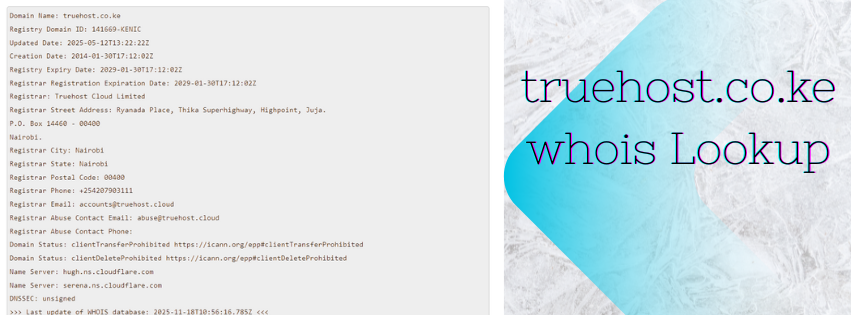
When you run a WHOIS search, you’ll typically see several key details:
- Domain owner’s name and organization
- Registration date and expiry date
- Domain registrar information
- Name server details
- Contact information like email and phone numbers
- Domain status codes
But there’s a catch. Privacy laws have changed things. GDPR regulations mean some information now gets redacted or hidden behind privacy services. You might see “REDACTED FOR PRIVACY” instead of actual contact details.
That’s not necessarily suspicious. Many legitimate businesses use privacy protection services.
Understanding Domain Status Codes
Those cryptic codes in WHOIS results? They tell you important stuff about the domain’s current state. ClientTransferProhibited means the owner has locked the domain to prevent unauthorized transfers. ServerHold indicates the domain isn’t active, usually for policy violations.
Why WHOIS Matters for UAE Businesses
Let me explain why this matters specifically if you’re operating in the Emirates. UAE’s digital economy is booming. E-commerce sales hit record numbers, and every business from Sharjah to Ras Al Khaimah needs an online presence.
WHOIS lookups help you verify you’re dealing with legitimate companies before signing contracts. That supplier claiming to be based in Dubai Internet City? Check their domain registration. It takes two minutes.
Protecting Your Brand in the UAE Market
Brand protection is huge here. Someone registers a domain suspiciously similar to yours? WHOIS tells you who did it and when.
You can then take appropriate action through legal channels or the Telecommunications and Regulatory Authority.
Dubai businesses especially face this challenge. The competitive market means copycats pop up constantly.
For .ae domains specifically, the ae Domain Administration has strict requirements. Only businesses and individuals with a legitimate presence in UAE can register them. WHOIS helps verify these credentials.
Business Intelligence and Due Diligence
Investors and business partners use WHOIS for due diligence. You’d be surprised how many red flags appear in domain records. A company claiming ten years of experience but their domain was registered six months ago? That’s worth investigating.
WHOIS also helps you:
- Monitor when competitor domains expire
- Track changes in business ownership
- Verify vendor legitimacy
- Identify potential acquisition targets
How to Do a WHOIS Lookup: Three Simple Methods
Alright, let’s get practical. Running a WHOIS lookup isn’t complicated. You’ve got several options depending on your technical comfort level.
I) Using Online WHOIS Tools
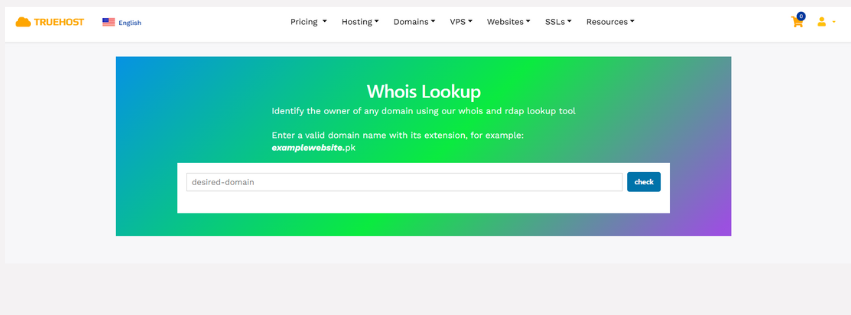
This is the easiest method. Several free websites offer WHOIS lookup services. Just visit any of these platforms:
- Truehost’s WHOIS lookup
- Whois.com
- DomainTools
- Who.is
- ICANN’s WHOIS search
The process is straightforward. Type the domain name into the search box. Hit enter. Wait a few seconds while the system queries the database. Review your results.
Most tools display information in an easy-to-read format. Some even highlight important details like expiration dates.
Want a reliable hosting provider that simplifies domain management? TrueHost Cloud offers integrated WHOIS tools right in your control panel, making domain research effortless.
II) WHOIS via Command Line
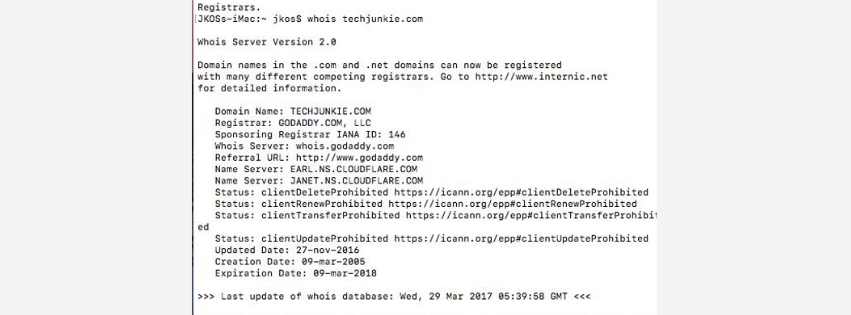
Tech-savvy folks might prefer the command line approach. It’s faster once you get the hang of it.
For Windows users, open Command Prompt and type: whois example.com
Mac and Linux users can open Terminal and use the same command. Some systems need you to install WHOIS tools first. On Mac, you might need to install Homebrew, then run: brew install whois
The command line method returns raw data. It’s not as pretty as web interfaces, but it’s lightning fast.
III) Checking Through Your Domain Registrar
If you’re managing your own domains, your registrar probably offers WHOIS lookup tools. Etisalat, du, and other UAE providers include this functionality in their dashboards.
This method works great when you’re already logged into your account. Plus, registrars often provide additional context about domains registered through their service.
Special Considerations for .ae Domains
Looking up .ae domains requires a slightly different approach. The ae Domain Administration maintains its own database with specific requirements.
.ae domains have restrictions. You can’t just register one from anywhere. You need a trade license or legitimate presence in UAE. This makes .ae domains more trustworthy but also means WHOIS information might be limited.
When you run a WHOIS on a .ae domain, you’ll see information verified by aeDA. That extra layer of validation matters for business transactions.
Making Sense of Your WHOIS Results
Got your results? Now what? Let me break down what you’re looking at.
The domain name field is obvious. It’s the website address you searched for. The Registry Domain ID is a unique identifier in the database. Think of it like a serial number.
Registrar information tells you which company handled the registration. This matters because different registrars have different policies and reputation levels.
1) Important Dates to Watch
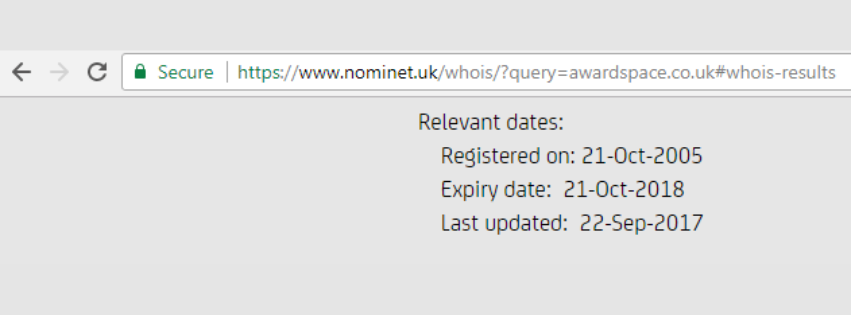
Three dates matter most: creation date, update date, and expiry date.
Creation date shows when someone first registered the domain. Older domains often rank better in search engines and appear more trustworthy. A domain registered last week claiming twenty years of business experience? Something doesn’t add up.
The expiry date tells you when the registration ends. Domains close to expiration might become available for purchase. Some investors watch these dates closely.
Update date indicates when someone last modified the WHOIS information. Frequent changes might signal ownership transfers or other significant events.
2) Contact Information and Privacy Protection
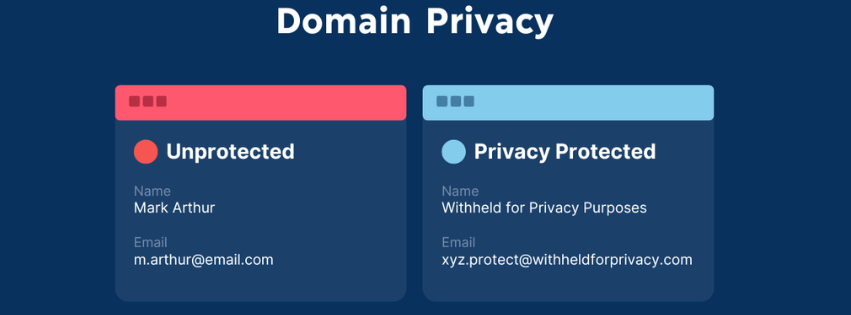
This is where things get interesting. You might see actual names and email addresses. Or you might see privacy service information instead.
GDPR changed everything. European privacy laws forced registrars to hide personal information. Even domains outside Europe adopted these practices.
Privacy protection isn’t inherently suspicious. Most individual website owners use it. But large corporations typically don’t. If a major company uses privacy services, that might raise questions.
Name Servers and Technical Details
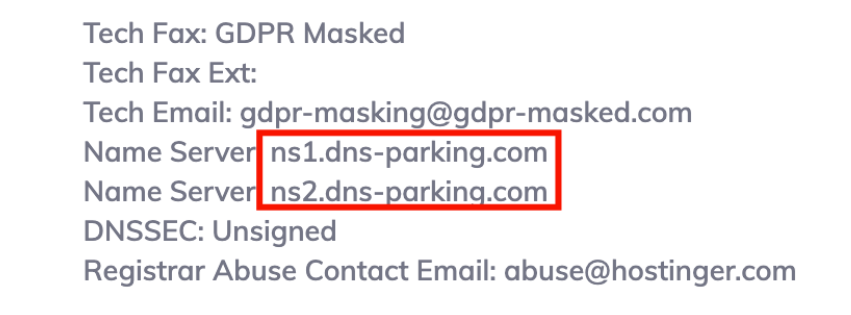
Name servers tell you where the domain’s DNS is managed. This reveals hosting arrangements and technical infrastructure.
Seeing Cloudflare name servers? The site probably uses their CDN services. AWS name servers indicate Amazon hosting. These details matter for competitive research and technical assessments.
Practical Applications
Theory is nice, but how does this help you day-to-day?
For Business Owners
You’re negotiating with a new supplier. They’ve got a slick website and big promises. Run a WHOIS lookup. Domain registered two months ago? Proceed carefully.
Protecting your brand means monitoring similar domain names. Set up alerts or regularly check variations of your business name. Someone registers yourcompanyname.ae when you own yourcompanyname.com? Time to investigate.
Portfolio management matters too. Forgetting to renew a domain is embarrassing and potentially costly. WHOIS lookups help you track expiration dates across multiple domains.
For Digital Marketers
WHOIS is gold for competitive intelligence. Check when competitors registered their domains. See how they’ve structured their online presence. Identify related properties they own.
Link building opportunities hide in WHOIS data. Find domain owners for outreach campaigns. Some contact information appears in WHOIS records, making outreach easier.
Domain age influences SEO. Older domains carry more authority. WHOIS tells you exactly how old a domain is.
For Cybersecurity Professionals
Phishing attacks often use domains registered hours before the attack. WHOIS lets you spot these quickly. A PayPal lookalike domain registered yesterday? Definitely suspicious.
Threat intelligence relies heavily on WHOIS data. Security teams track malicious infrastructure by analyzing registration patterns and name server configurations.
Incident response investigations frequently start with WHOIS lookups. Tracing attack origins requires understanding domain ownership and registration history.
For Domain Investors
This crowd lives and breathes WHOIS. Finding valuable expired domains starts with monitoring WHOIS records. Domains with strong backlink profiles and clean histories command premium prices.
Age matters tremendously in domain valuation. A ten-year-old domain worth significantly more than one registered yesterday. WHOIS provides this data instantly.
Contacting current owners requires finding contact information. While privacy services complicate this, WHOIS still offers the best starting point.
WHOIS Privacy and Legal Stuff in UAE
Legal considerations matter, especially in UAE. The country has strict cybercrime laws. Providing false WHOIS information during domain registration can have serious consequences.
The Telecommunications and Regulatory Authority oversees .ae domains. They require accurate registration information. Violations might result in domain suspension or legal action.
Privacy protection services offer legitimate benefits. They reduce spam and protect against identity theft. But they also complicate transparency.
GDPR affects international domains even if you’re based in UAE. If you do business in Europe, compliance becomes necessary. This means respecting privacy regulations even when they seem inconvenient.
Should you use WHOIS privacy for your business domain? It depends. Personal blogs and small projects benefit from privacy protection. Established businesses usually skip it to maintain transparency and trust.
Your Next Steps
WHOIS lookups aren’t complicated. They’re fast and incredibly useful. Whether you’re verifying a business partner in Dubai, protecting your brand, or researching competitors, WHOIS provides answers.
Start simple. Look up your own domain first. Familiarize yourself with the information displayed. Then try looking up competitors or potential business partners.
The internet operates on trust and transparency. WHOIS helps maintain both. It’s one of those tools you don’t appreciate until you need it, then wonder how you survived without it.
Ready to check who owns that domain? Try a WHOIS lookup now. You might be surprised what you discover. And if you’re managing domains in UAE, make WHOIS checks part of your regular business routine.
For businesses serious about their online presence, proper domain management starts with understanding WHOIS. TrueHost Cloud provides comprehensive domain services with built-in WHOIS tools, making it easier to manage and protect your digital assets across the UAE market and beyond.