 Domain SearchSecure your perfect UAE domain in seconds.
 Domain TransferSeamless domain transfer. Zero downtime, complete control.
 All TLDsSecure your ideal domain. Explore local UAE and international extensions.
 WHOIS LOOKUPCheck domain ownership, expiry dates, and registrar details instantly.
 AE DomainRegister a .AE domain and build trust in the UAE.
 SSL CertificatesProtect your site with trusted SSL Certificates to secure data and build customer confidence.
 .com DomainGet the world’s most trusted domain and build credibility from day one.
 Web hostingFind budget-friendly hosting that doesn’t compromise on performance.
 Windows HostingHigh-performance hosting for Windows applications and websites.
 Affiliate ProgramBecome a partner and earn commission for every referral.
 WordPress HostingBlazing-Fast WordPress Hosting, Optimised for Performance.
 Email HostingSecure your communications with professional email hosting. Use your domain, stay in control.
 Reseller HostingLaunch your own hosting brand. We handle the tech, you grow your business.
 cPanel HostingHosting supported by cPanel (simple and user-friendly)
 VPS HostingVirtual servers that grow with you. Full root access. Blazing fast performance.
 Managed VPS HostingNot a tech expert? Let us handle everything with our fully managed VPS hosting.
 Dedicated ServersEnjoy full access and total control over your dedicated physical server.
 AI Website BuilderBuild beautiful websites instantly with AI.
 Online ShopCreate a professional online store. No coding needed.
 Web Design ServicesGet a custom website built for your brand and your goals.
 BlogDiscover resources on web hosting, e-commerce, digital marketing, and beyond.
 Contact UsWe are available 24/7 via chat or email
 SupportExplore guides and answers for all our services
Internet penetration in the UAE sits at 99%. That is not just a statistic. It is the context behind every customer decision made in this country.
With 23 million mobile connections nationwide, your customers are constantly on their phones.
They search before they call and check Google Maps before they drive anywhere. They compare listings before they walk through a door.
68% of UAE consumers look up a business on a location-based mobile search before visiting.
So your Map Pack visibility is directly tied to whether your foot traffic grows or stays flat.
Google uses three core signals to rank Map Pack results. These are Relevance, Distance, and Prominence.
This guide gives you the exact 2026 framework for ranking in the top 3 on Google Maps in the UAE.
Step 1: Build a Google Business Profile That Actually Works in the UAE
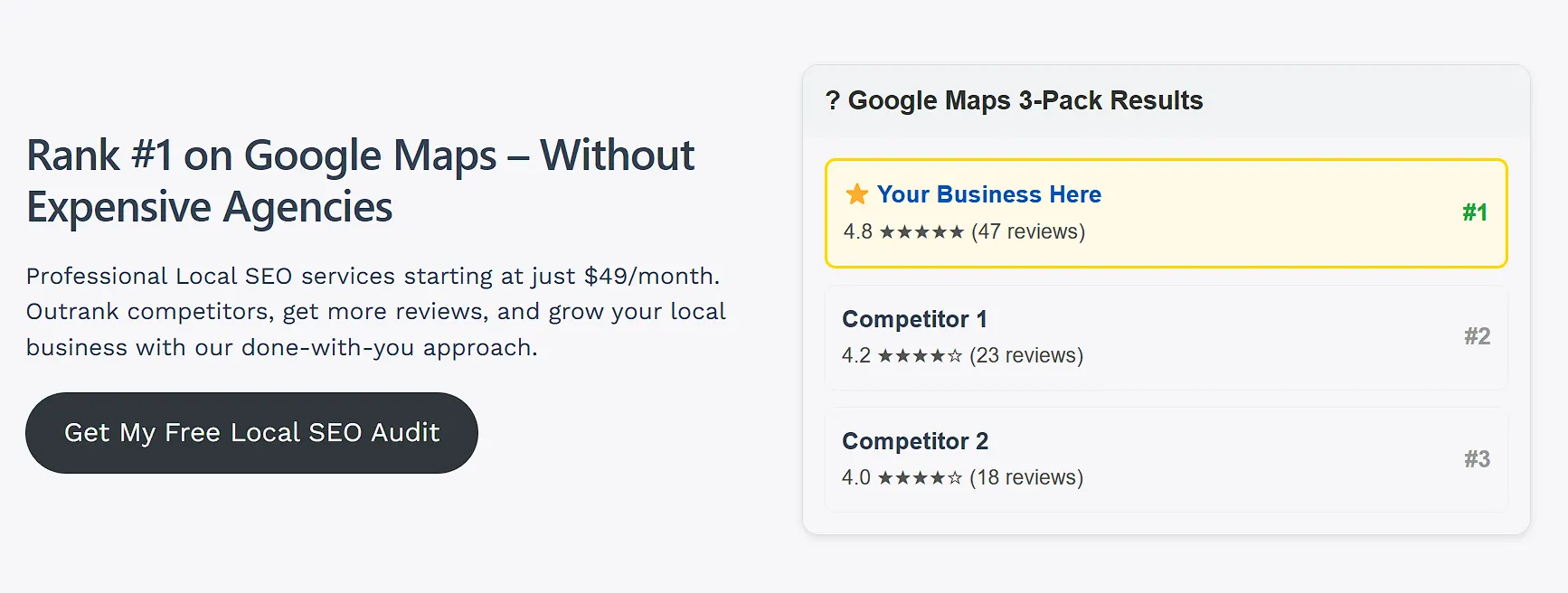
Eight of the top ten local pack ranking factors come directly from your Google Business Profile. That tells you exactly where to spend your first hour.
Start by claiming and verifying your listing if you haven’t already. Then treat every field as a ranking opportunity.
Your business name, description, category, hours, photos, services, and service areas all feed into where Google places you.
Choose Your Primary Category Like It Matters (Because It Does)
Your primary GBP category is the single most impactful local ranking signal you control. It tells Google exactly which searches you are eligible to appear for.
Choose the most specific option available. A clinic that picks Healthcare Provider instead of General Practitioner will miss dozens of high-intent searches.
A restaurant picking Food and Drink instead of Lebanese Restaurant loses the precision that directly costs rankings.
You can add up to 10 secondary categories. Use them only for services you genuinely offer.
Mismatched categories are a known trigger for GBP suspensions in the UAE market, particularly in Dubai.
Write Your GBP Description for Both Humans and Google
Your description does three jobs. It tells customers what you do. It tells Google where you operate. And it integrates keywords naturally without reading like a keyword list.
Structure it with a clear flow: what you do, where you serve (emirate and neighborhood), who your customers are, and a clean call to action.
Write one version in English. Then write a separate version in Arabic. Do not use a translation tool for this step. The next section explains why.
Step 2: Crack the Bilingual SEO Problem
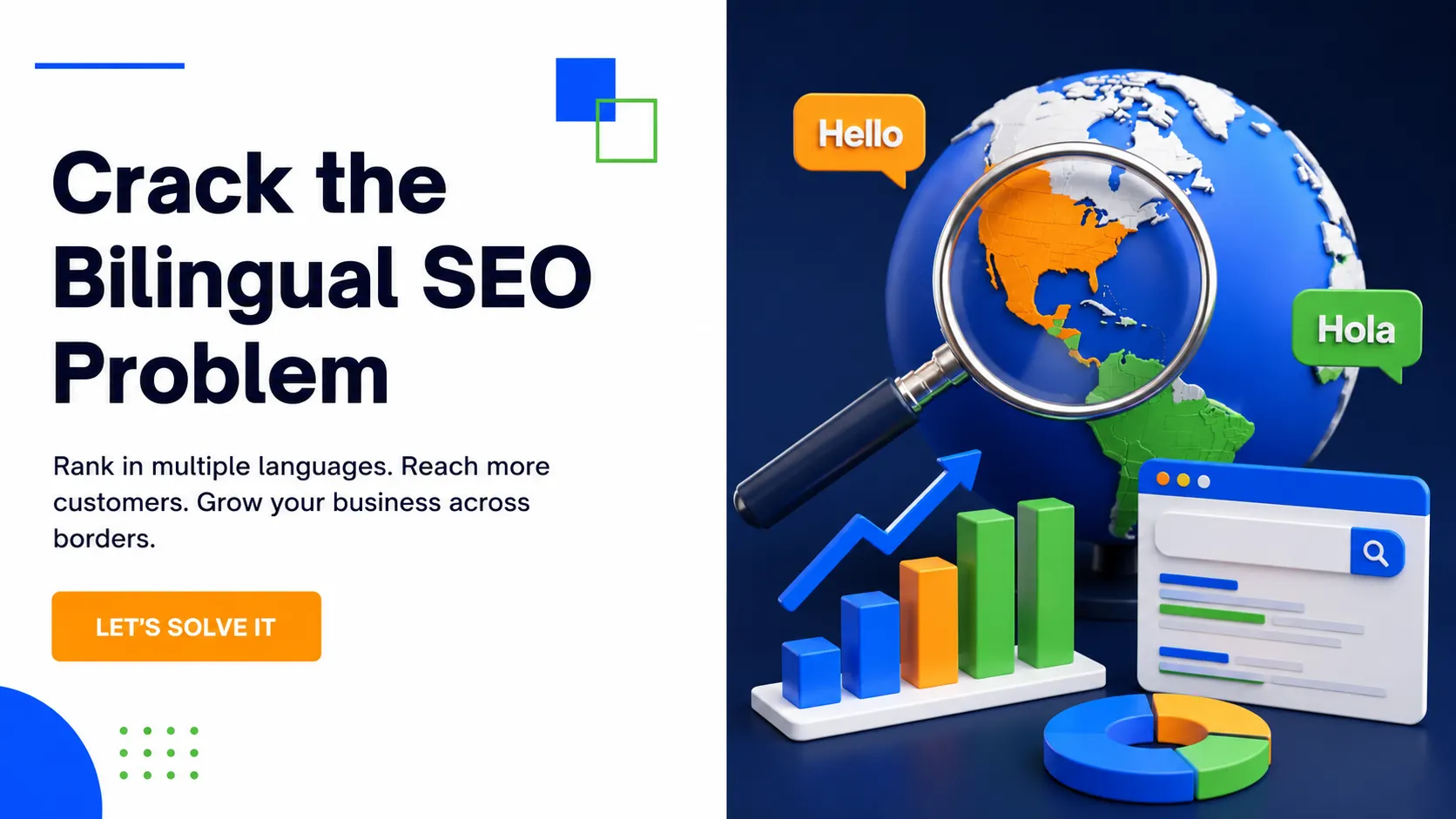
73% of local searches in Dubai include Arabic terms. GBP profiles set up in both English and Arabic get 340% more engagement than English-only listings.
Those two numbers should stop most businesses in their tracks. Yet the majority of listings in the UAE are still English-only.
Part of this comes from a common misconception. Business owners assume Google will handle the translation automatically. Google does attempt it.
The problem is that the automatic translation is inconsistent, often inaccurate, and does not carry the same ranking signals as content you write yourself in Arabic.
If your customers search in Arabic, your GBP needs to speak to them in Arabic. A listing that shows only English text is invisible to a significant share of your potential market.
How to Set Up Bilingual GBP Optimization the Right Way
If your brand has a known Arabic identity, add both versions to your business name field. A format like City Pharmacy | صيدلية المدينة signals bilingual relevance directly to Google.
For your description and services sections, write independent versions in each language.
Do not translate sentence by sentence. Arabic search queries use different phrasing patterns and different intent signals than English queries.
A direct translation will not match what Arabic speakers actually type.
Multilingual Local Content on Your Website
Your website supports your GBP, so it needs to reflect the same bilingual signals. Build location-specific pages for each emirate or neighborhood you serve.
Write unique content on each page in the language that the market predominantly searches in. Then use hreflang tags correctly.
These tags tell Google which language version of a page to show based on the user’s language and location settings.
Step 3: Build NAP Consistency Across UAE Directories
NAP stands for Name, Address, and Phone number. Consistency across every place your business appears online is a core citation signal for local rankings.
In the UAE, this is more complex than in most markets. Businesses often carry both an English and an Arabic legal name.
Addresses include free-zone designations, building numbers, and, sometimes, PO boxes. Phone numbers appear with or without country codes.
Even small inconsistencies create conflicting signals that dilute your prominence score. Al Barsha and Barsha look like humans.
To Google’s algorithm, they are two different entities. Pick one format for your name, domain, address, and phone number. Lock it in and replicate it everywhere.
Step 4: Turn Google Reviews Into a Ranking Engine
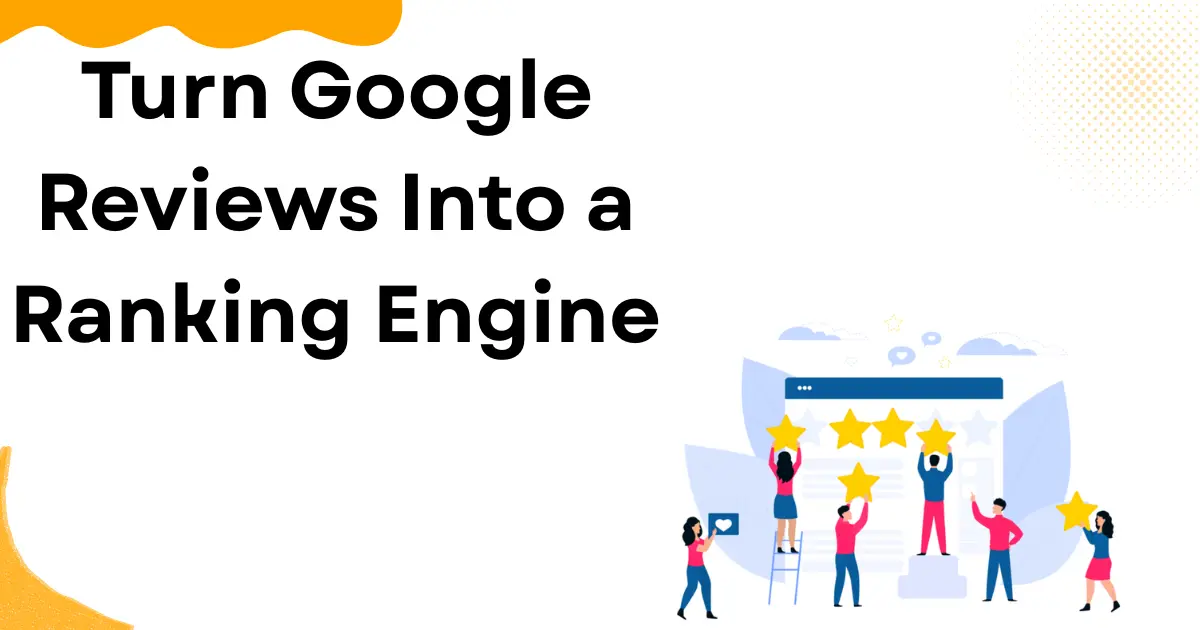
Google does not just count your reviews. It evaluates them across multiple dimensions simultaneously.
The key dimensions are total volume, average rating, review freshness, keyword relevance inside review text, and owner response rate.
Freshness matters more in 2026 than it did two years ago. A business with 200 old reviews often loses ground to a competitor with 80 recent, well-received ones.
When you respond to reviews, reply in the same language the reviewer used. An Arabic reviewer who gets an Arabic response sees a business that actually pays attention.
That signals cultural relevance. It also keeps the engagement signal alive on your profile.
Step 5: Behavioral Signals – The Ranking Factor Most UAE Businesses Ignore
Google tracks five main engagement signals from your GBP. These are click-through rate from the Map Pack, call button taps, direction requests, website clicks, and time spent on your site after clicking through.
A listing with strong behavioral engagement can outrank one that is technically more complete. Google reads high engagement as evidence that your listing genuinely matches what searchers want.
This means your profile presentation matters as much as your technical optimization. A blurry cover photo, an outdated description, or missing service details all reduce click-through.
Low clicks mean weak behavioral signals. Weak signals pull your ranking down over time.
GBP Posts, Photos, and Q&A as Active Ranking Tools
Post to your GBP at least once per week. Share offers, service updates, seasonal promotions, and FAQ-style content. In the UAE, tying posts to local events drives additional engagement.
Ramadan specials, Eid promotions, National Day content, and Dubai Shopping Festival deals all give you timely, relevant reasons to post.
For photos, use real location images rather than stock photography. Where possible, upload geo-tagged images. Seasonal photo updates tell Google your business is active and currently operating.
The Q&A section is one of the most underused tools in local SEO. You can add your own questions and answer them before customers even ask.
Populate it with questions your customers actually send you. Write the answers with natural keyword integration. Each answer is a small but relevant signal.
Step 6: Emirate-by-Emirate Local Signals
Every emirate has its own search behavior patterns, and treating them as identical is a common strategic gap.
Dubai users tend to search with speed and prestige intent. Fast service, premium quality, and location convenience drive their decisions.
Abu Dhabi users prioritize trust, family-friendly credentials, and institutional reputation.
Sharjah users are more value-oriented, and their price sensitivity shows up in the specific terms they search for.
The Northern Emirates, including Ajman, Ras Al Khaimah, Fujairah, and Umm Al Quwain, reward proximity signals heavily.
Competition density is lower there, but local trust is the decisive factor. A business that feels embedded in the local community consistently outranks a faceless national brand.
Build emirate-specific pages on your website for each market you actively serve.
Write distinct content on each page that reflects the search behavior and language preferences of that specific area.
Simply copying your Dubai page and swapping the city name will not work.
Hyperlocal Landmark Targeting Inside UAE Cities
In the UAE, people navigate by landmarks. They do not search for a business on a specific street.
They search for a business near Dubai Mall, near DIFC, or near Mall of the Emirates.
This creates one of the clearest opportunities to separate your content from competitors.
Include landmark references in your GBP description, your website content, and your service area settings.
Phrases like near Business Bay, close to Al Reem Island, or walking distance from the Abu Dhabi Corniche match how real users actually search.
For businesses in free zones, your free zone name carries its own local authority signal. DIFC, Media City, Dubai Airport Free Zone, and DAFZA all carry geographic recognition.
Optimize the free zone name as a search modifier alongside your street address.
Frequently Asked Questions
How do I rank my business higher on Google Maps in Dubai?
Start with your GBP. Pick the most specific primary category available, then complete every single field.
Build consistent NAP citations across UAE directories. Generate fresh reviews every month. Add the LocalBusiness schema to your website.
Remember to fix your site’s mobile performance.
What are the top Google Maps ranking factors in 2026?
According to the Whitespark 2026 Local Search Ranking Factors report, the top signals are primary business category selection, physical proximity to the searcher, review quality and volume, GBP completeness and keyword relevance, NAP consistency across citations, inbound link quality, behavioral signals from your listing, and on-site local keyword optimization.
Does an Arabic Google Business Profile help rank higher in the UAE?
Yes. Bilingual GBP profiles optimized for both English and Arabic receive 340% more engagement than English-only listings.
Google’s automatic translation is unreliable and does not carry the same ranking weight as content written directly in Arabic. Write your own Arabic descriptions and service entries rather than relying on translation tools.
How long does local SEO take to work in Dubai?
Basic fixes produce noticeable movement within two to four weeks. Getting into the top 3 Map Pack positions in competitive Dubai areas typically takes 90 to 180 days.
Markets like Abu Dhabi and Sharjah often move faster. The biggest variable is how consistently you maintain the work after the initial setup is complete.
What local directories should UAE businesses be listed on?
Start with Google Business Profile, 2GIS, Dubai Yellow Pages, UAE Business Directory, Dubizzle, Apple Maps, and Bing Places. Then layer in vertical-specific directories.
Food businesses belong on Zomato and TripAdvisor. Real estate agencies need Bayut and Property Finder.
Healthcare providers should be on Healthigo and Okadoc. Industry-specific directories carry more ranking weight than volume across general listings.
Start Raning on Google Maps Today!
The businesses showing up at the top of Google Maps in Dubai and Abu Dhabi right now are not there by accident.
They claimed their listings early, kept their information accurate, and consistently adapted as the algorithm shifted toward bilingual and behavioral signals.
Start with the three things that move rankings fastest: fix your primary category, update your hours, and send five review request messages this week.
Those three actions alone will separate your listing from the majority of businesses that set up their GBP once and never touch it again.
If you would rather have an expert handle execution while you run your business, Truehost offers local SEO packages built specifically for the UAE market.